
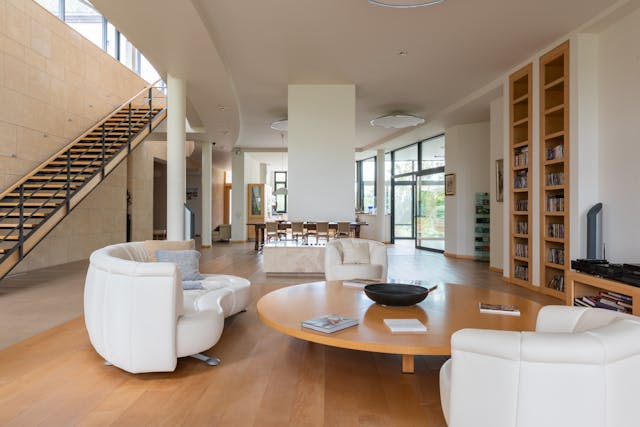
Wall colors fade, flooring gets scratched, old arrangements start to look outdated, and new technologies replace old equipment. In such circumstances, home renovation and interior design are not just a necessity but an opportunity to revive the spirit of your home and enhance your quality of life.
This process can involve small changes, such as replacing curtains or repainting walls, or it can turn into a major project with structural modifications and complete interior redesign. In both cases, the success of the project depends on careful planning, the right choice of materials, and collaboration with professionals.
The Importance of Home Renovation and Interior Design
Home renovation is not merely an aesthetic endeavor; it directly affects quality of life, energy consumption, and even the economic value of the property.
Benefits of Home Renovation and Interior Design
Increasing Property Value
Smart renovations can significantly raise the market value of your home. For example, replacing windows with double-glazed ones or renovating the kitchen and bathroom can increase property value by up to 20%.
Improving Space Functionality
Sometimes, changing room purposes, removing unnecessary walls, or optimizing unused spaces can multiply the efficiency of your home.
Energy Savings
Using thermal insulation, low-emissivity (Low-E) glass, and LED lighting systems reduces energy consumption and lowers monthly costs.
Enhancing Beauty and Positive Mood
An environment designed according to your taste increases relaxation, satisfaction, and positive energy.
Difference Between Renovation and Interior Design
Renovation
Refers to fundamental changes in the structure of the house, such as moving walls, replacing flooring, updating utility systems, or even reinforcing the structure.
Interior Design
Focuses more on aesthetic and visual changes, including choosing colors, furniture, lighting, curtains, and decorative items.
💡 Tip: In a full-scale project, renovation and interior design are usually carried out simultaneously or sequentially to achieve the best results.
Main Stages of Home Renovation and Interior Design
- Assessing Needs and Defining Goals
Before starting, determine which parts of the home need change and what your main objectives are:
- Enhancing aesthetics
- Optimizing space
- Improving safety and infrastructure
- Accurate Budgeting
One of the most critical factors for project success is realistic budgeting.
Important Budgeting Tips:
- Reserve 10–15% of the budget for unexpected costs.
- Prepare a priority list.
- Choosing a Contractor and Interior Designer
Working with a reputable company ensures that the project progresses with minimal errors and maximum quality. - Initial Design (Design Concept)
- Use 2D plans and 3D models to visualize the final result.
- Review several scenarios before finalizing the design.
- Selecting Materials
Choosing quality materials ensures the longevity of the project. Examples include:
- Flooring: laminate parquet, ceramic, or natural stone
- Wall covering: wallpaper, scratch-resistant paint, 3D panels
- Project Execution
- Demolition stage
- Renovating structure and infrastructure
- Installing new materials
- Implementing interior design
- Supervision and Quality Control
Regular site visits and monitoring the progress of work are essential.
Popular Styles in Home Renovation and Interior Design
Modern Style
- Simple lines
- Neutral colors (white, gray, black)
- Use of glass and metal
Classic Style
- Carved furniture
- Warm colors (gold, cream, brown)
- Luxurious curtains
Minimalist Style
- Removing unnecessary elements
- Emphasis on functionality
- Use of one or two main colors
Rustic Style
- Use of natural wood
- Warm and cozy feeling
Scandinavian Style
- Light, soft colors
- Plenty of natural light
- Simple, functional furniture
Industrial Style
- High ceilings
- Exposed concrete and raw metal
- Visible piping and utilities
The Role of Color, Lighting, and Furniture
Effect of Color on Space
- Blue: calm and focus
- Red: excitement and energy
- Green: balance and freshness
Smart Lighting
- Hidden ceiling lights to create depth
- Accent lighting on paintings or specific objects
Choosing Suitable Furniture
Furniture should match the overall style of the space and provide comfort as well as aesthetic appeal.
Innovative Ideas for Renovation
- Indoor green walls to improve air quality and create a natural feel
- Stretch ceilings with adjustable lighting
- 3D flooring for a unique visual effect
- Smart kitchens with internet-connected appliances
Cost-Saving Tips
- Buy directly from manufacturers
- Reuse functional items
- Execute the project in separate phases
Common Mistakes in Home Renovation and Interior Design
- Starting without an initial design
- Choosing a cheap but inexperienced contractor
- Ignoring natural light
- Using low-quality materials to cut costs
Impact of Renovation on Property Value
A renovated home sells faster and is valued higher, especially if the kitchen and bathrooms are updated.
FAQ
How much does home renovation and interior design cost?
Depending on size, design style, and material quality, costs can range from tens of millions to hundreds of millions of tomans.
When is the best time for renovation?
Spring and summer, due to better weather conditions and faster work progress.
Can renovation be done on a small budget?
Yes, by prioritizing needs and using cost-effective materials.
Which flooring material is better?
Ceramic for durability, parquet for warmth, laminate for lower cost.
How long does a full project take?
Between 2 weeks and 6 months, depending on the size and type of project.
How to choose the best contractor?
By reviewing their portfolio, previous work, and client feedback.
Do we need a municipal permit?
Structural changes always require a permit.
What is the best style for a small home?
Minimalist or modern styles make spaces appear larger.
Does renovation reduce energy consumption?
Yes, if modern equipment and materials are used.
Can we do part of the work ourselves?
Yes, tasks like painting or installing decorative items can be done by yourself.


