
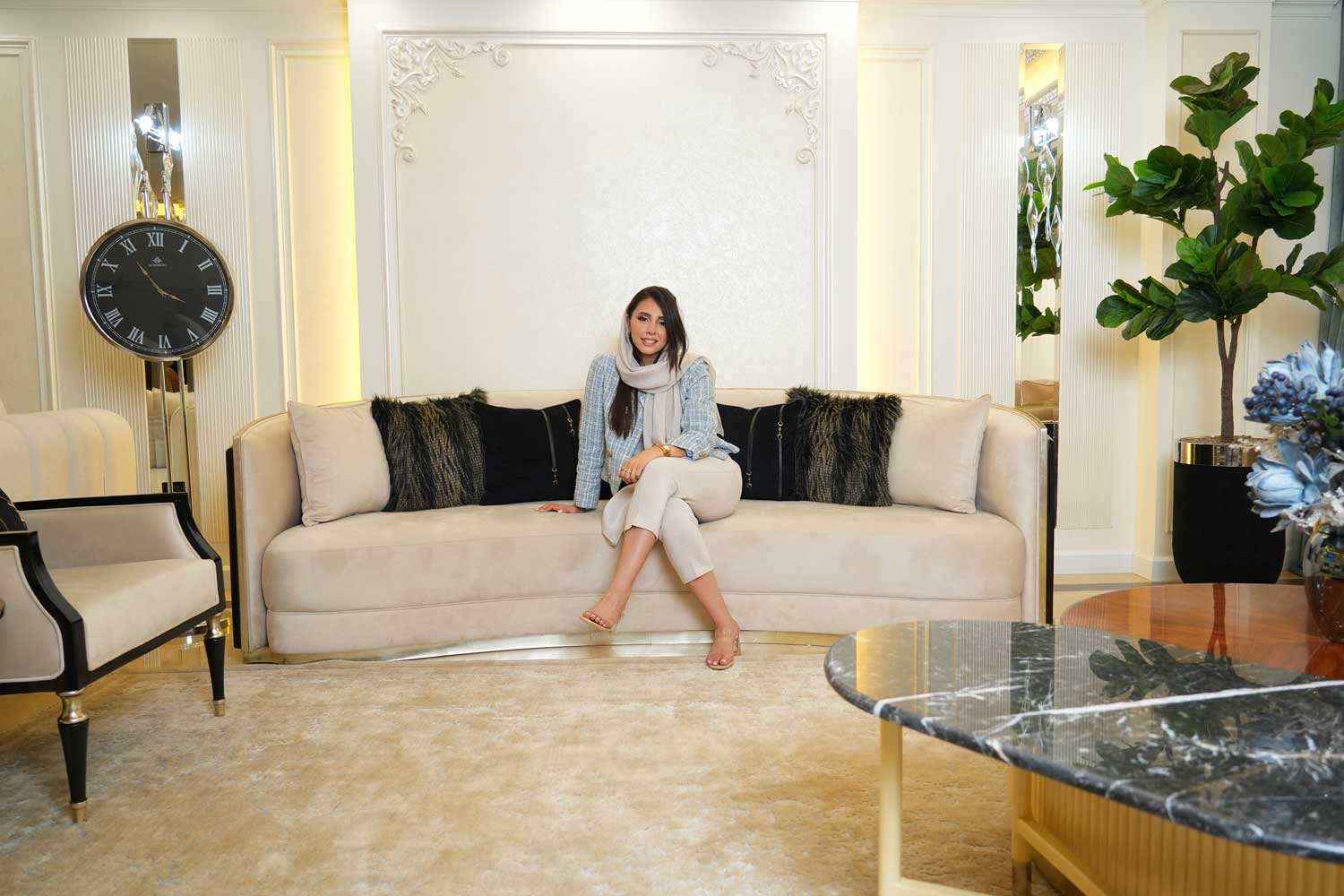
One of the most important factors in the success of living room renovation and interior design is the proper arrangement of furniture. Correct arrangement enhances the beauty, functionality, and comfort of the space and helps you make the best use of the available area. Even the most beautiful furniture, if not arranged properly, can make the space feel cluttered, unbalanced, and unpleasant.
Why is furniture arrangement important?
In living room interior design, furniture is the main visual and functional element. Proper furniture arrangement:
- Facilitates movement flow
- Creates visual focal points
- Improves spaces for conversation and interaction
- Minimizes empty or unused space
Key Steps in Furniture Arrangement
1. Define the Focal Point
Before anything else, determine the main focal point of the space:
- Television
- Fireplace
- Window with a beautiful view
- A special artwork
The furniture should be arranged around this focal point to establish visual cohesion.
2. Measure the Space
Before buying or arranging furniture, always measure the exact dimensions of the space. Proper spacing between furniture, walls, and walkways is crucial.
3. Determine the Function of the Space
Is your living room only for relaxation, or also for conversation, reading, or formal entertaining? Each function requires a different arrangement.
Important Principles of Furniture Arrangement
- Distance between sofa and coffee table: about 45–60 cm
- Distance between chairs for conversation: 120–250 cm
- Avoid pushing all furniture against the walls – it makes the space feel cold
- Create visual balance: e.g., place two single chairs next to a large sofa
Arrangement for Small Living Rooms
In small living rooms, use space wisely:
- Use L-shaped or two-seater sofas
- Opt for coffee tables with storage space
- Choose furniture with visible legs to make the floor appear larger
- Avoid bulky furniture pieces
Arrangement for Large Living Rooms
In large spaces, use multiple arrangements:
- A conversation area
- A reading nook or quiet corner
- Rugs to visually separate zones
- Complementary furniture such as consoles, bookshelves, or benches
Using Layout Software
To better visualize the final result, you can use 3D layout tools such as Planner 5D, Roomstyler, or SketchUp. These help you preview and adjust your arrangement before implementation.
FAQ
Should all furniture be placed against the wall?
No, leaving some space between furniture and walls makes the room warmer and more inviting.
What is the right distance between sofa and TV?
For a 50-inch TV, about 2–2.5 meters is recommended.
Is an L-shaped sofa suitable for all spaces?
It works well in medium and small rooms but can obstruct movement in narrow spaces.
How to create a conversation area?
Arrange furniture in a semi-circle or facing each other with a central table.
Is a side table necessary?
Not essential, but useful for comfort and décor.
Which is better, legged or legless furniture?
For small spaces, legged furniture makes the room feel more open.
What type of rug is suitable?
A rug large enough to extend under the front legs of the sofas, creating visual unity.
Is symmetrical or asymmetrical arrangement better?
Both can be beautiful; symmetrical feels more formal, asymmetrical more modern.
Can one large sofa replace several small ones?
Yes, if space allows and visual balance is maintained.
Should arrangement match the lighting?
Yes, place furniture in well-lit areas or add complementary artificial lighting.


