
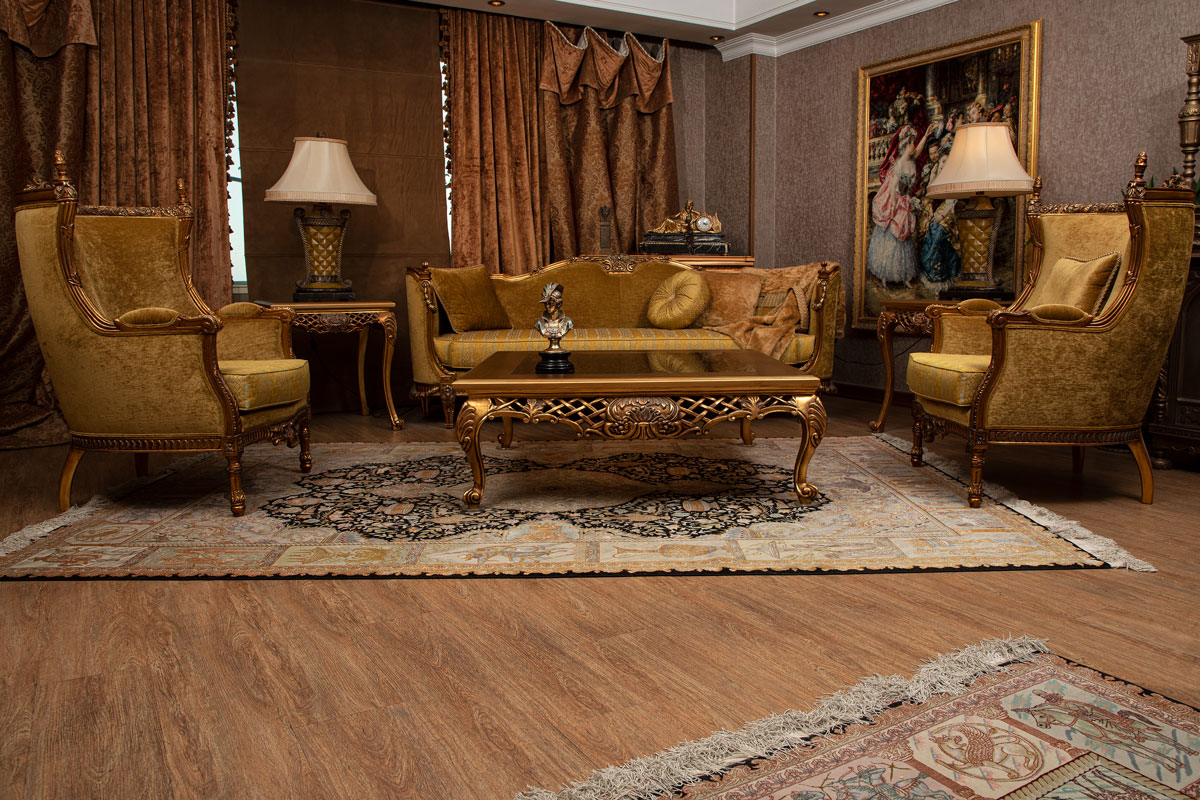
Choosing the right colors can make a space appear larger, warmer, more cheerful, or calmer. In this article, we explore the psychological effects of colors, suitable choices, and tips for optimal use of colors in living room renovation and interior design.
The Importance of Color in Living Room Interior Design
Colors are more than just a simple aesthetic element; they can:
- Influence the emotions and mood of the occupants
- Alter the perception of the room, making it appear larger, brighter, or cozier
- Create harmony between furniture, walls, and décor
- Draw focus and attention to specific areas of the room
Color Psychology in the Living Room
Warm Colors (Red, Orange, Yellow)
- Create a sense of warmth, energy, and excitement
- Suitable for lively and welcoming spaces
- Overuse may cause feelings of stress
Cool Colors (Blue, Green, Purple)
- Evoke calmness, coolness, and freshness
- Ideal for relaxing and soothing areas
- In dark spaces, they may make the room feel cold and small
Neutral Colors (White, Gray, Beige)
- Excellent background for any décor style
- Make the space appear larger
- Easily combined with other colors
Tips for Optimal Use of Colors in Living Room Renovation and Interior Design
- Use light colors for small or low-light spaces
- Balance warm and cool colors
- Apply accent colors through a feature wall, cushions, or artwork
- Pay attention to the color combination of furniture, curtains, and flooring
- Test colors in both natural and artificial light before full painting
Popular Color Combinations in 2025
- Beige with deep teal
- Light gray with golden accents
- Olive green paired with natural wood tones
- Creamy white with soft pastel shades
Frequently Asked Questions
What is the best color for a small living room?
Light and neutral colors like white, cream, and light gray make the space appear more open.
Can wall colors be different from furniture colors?
Yes, but the colors should harmonize to maintain the beauty of the space.
What effect does a warm color have in the living room?
It creates a sense of warmth and coziness but may make the space feel smaller if overused.
Is using dark colors on walls suitable?
In large, well-lit spaces, it can create a striking effect, but in small spaces, it may make the room feel closed in.
How can we test wall color before painting?
Apply a small sample on the wall and observe it under different lighting conditions.
How should multiple colors be combined in a living room?
Use a base color with complementary colors to achieve harmony.
Are pastel colors suitable for the living room?
Yes, pastels create a calm and soft ambiance.
Is it recommended to use bold colors?
In small amounts as accent colors, yes. Overuse may make the space feel cluttered.
Which colors are better for a living room with low natural light?
Light and warm colors that reflect light and make the space appear brighter.
Do colors differ in modern décor?
Yes, modern décor typically uses neutral colors and minimalistic combinations.


