
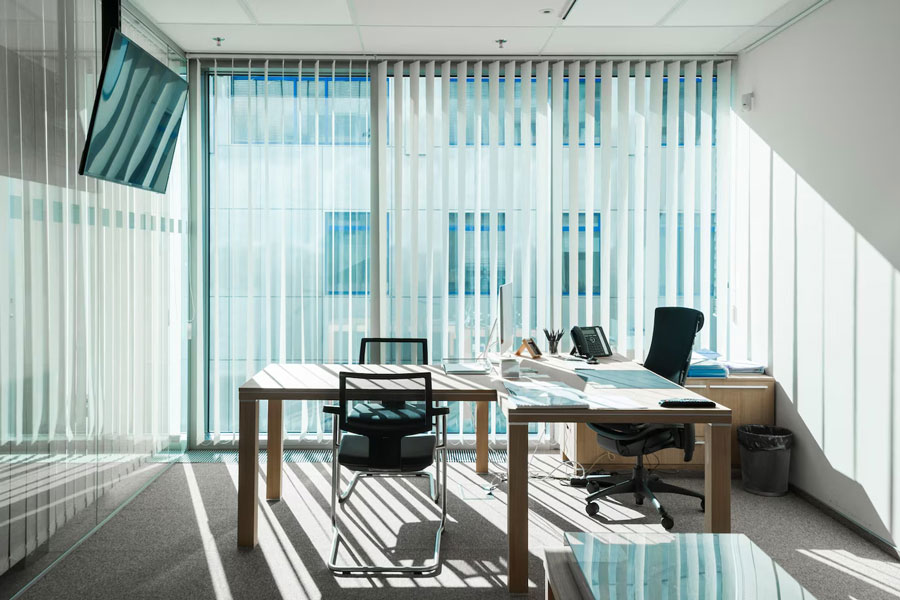
Smart Design and Technology
Integration of smart technologies to enhance the work experience, including smart lighting systems, voice control, and cloud connectivity.
Multifunctional Workspaces
Creating flexible workspaces where individuals can switch easily between work, leisure, and private tasks.
Biophilic and Eco-Friendly Design
Using recycled materials, indoor plants, and designs that contribute to environmental sustainability.
Smart Space Management and Organization
Selecting furniture and storage systems with smart features to optimize space utilization and resource management.
Hybrid Workspaces
Designing offices with areas for both group work and individual tasks to create diversity in the work experience.
Artisan Work Experience
Incorporating art and design elements into offices to create a unique and inspiring work environment.
Calming Color Schemes
Choosing soothing colors to enhance focus and create a relaxed atmosphere in the workplace.
Employee Comfort and Wellbeing
Creating spaces with comfortable furniture, proper lighting, and facilities that promote employees’ health and comfort.
Real-Time Feedback Design
Using technology to provide instant feedback to employees on work quality, experience, and potential improvements.
Local Engagement
Integrating local and cultural elements in office design for a unique and comprehensive work experience.
Active Workspaces
Designing work areas that encourage movement, such as adjustable desks and chairs, standing desks, and facilities that promote physical activity during work.
Virtual and Augmented Reality (VR/AR)
Incorporating VR and AR technologies to enable training experiences, virtual collaboration, and increased employee engagement with the workspace.
Floating Open Spaces
Creating open workspaces using suspended structures or transparent furniture to enhance the sense of openness and freedom.
Modular and Flexible Furniture
Using modular furniture that allows easy adjustment and reconfiguration to meet the diverse needs of teams.
Industrial-Inspired Concept
Adopting factory-style design elements to create energetic and distinctive office aesthetics.
Dynamic Lighting
Using adjustable lighting with variable color and intensity to match time and task requirements, enhancing workplace flexibility.
Data-Driven Workspaces
Applying data analysis to optimize spatial design and improve employees’ work experience.
Remote and Virtual Offices
Designing virtual workspaces and remote office facilities to meet the needs of employees working remotely.
Transparent and Open Design
Using transparent materials in walls and windows to improve connectivity between spaces and create a sense of a larger environment.
Sound and Echo Management
Selecting materials and sound systems to manage noise effectively and prevent echo within office spaces.
These trends reflect technological and cultural advancements in office environments, aimed at creating better, modern, and more engaging work experiences.
FAQ
What impact does office interior design have on team productivity?
Office design, through harmonious spaces, proper lighting, and ergonomic furniture, can boost focus, motivation, and team morale, improving overall productivity.
How can office interior design be aligned with the organization’s brand?
By using brand colors, logos, and visual elements in walls, furniture, and shared areas, office design can reflect the brand cohesively and strengthen organizational identity.
Which styles are popular in office interior design?
Modern, minimalist, industrial, and Scandinavian styles are popular. Choice depends on space availability, budget, and organizational culture.
What role does lighting play in office interior design?
Natural light, combined with suitable artificial lighting, increases focus, reduces eye strain, and makes the office more attractive and comfortable.
What furniture is recommended for office interior design?
Ergonomic furniture with adjustable height, proper back support, and durable materials ensures employees’ comfort and wellbeing.
How can small spaces be optimized in office interior design?
Using multifunctional furniture, light and transparent partitions, vertical shelving, and bright colors can make small spaces appear larger and more efficient.
Which colors are suitable for office interior design?
Colors such as light blue, grayish green, soft gray, and neutral tones enhance calmness and focus, making them ideal for office spaces.
Should communal and relaxation areas be included in office design?
Yes, spaces for informal interaction and relaxation boost creativity, team spirit, and reduce stress. These areas should blend seamlessly with the office design and enrich the workspace.


