
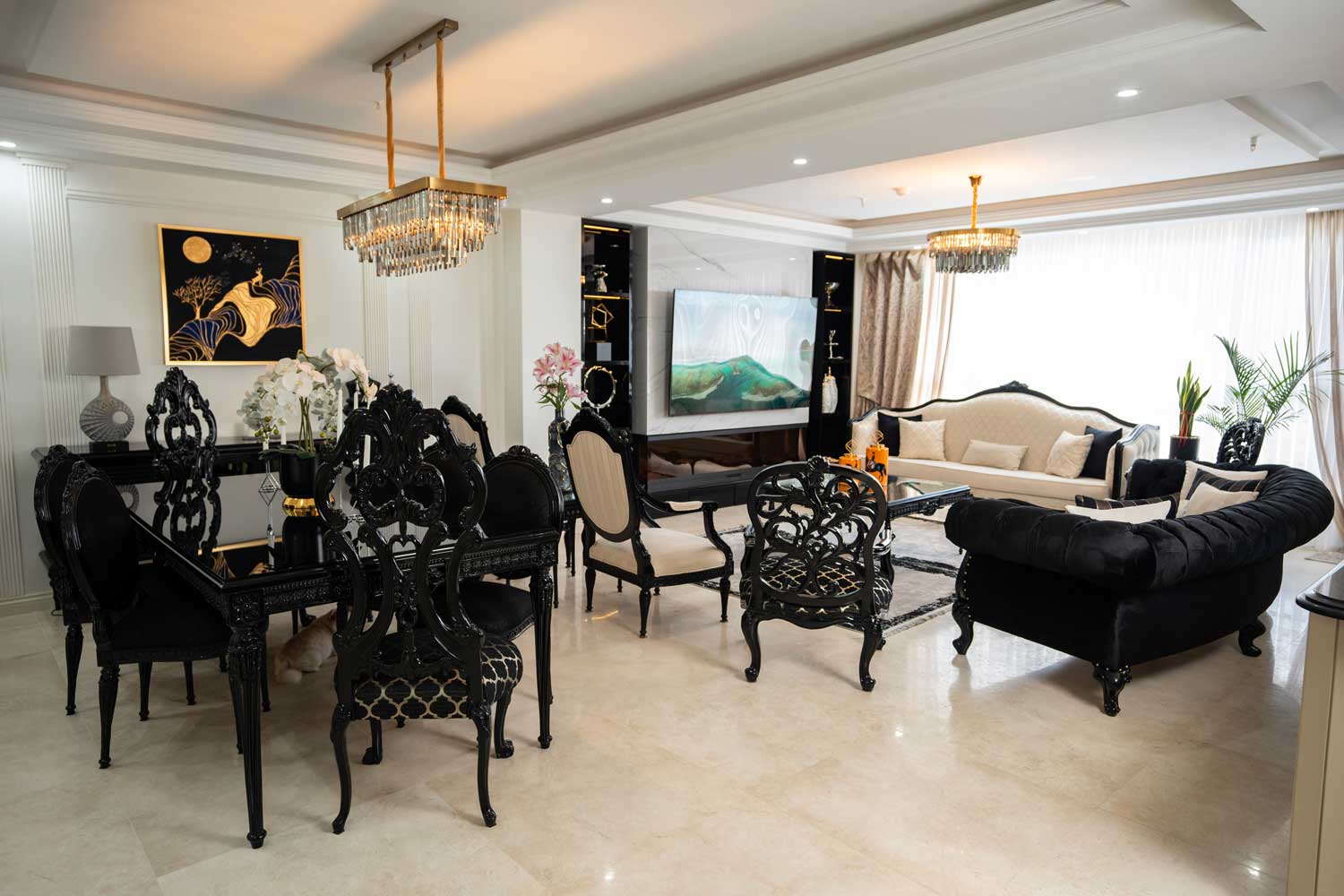
When it comes to living room renovation and interior design, we often focus on colors, furniture, lighting, and layout; however, one element that is equally important yet often overlooked is indoor green spaces. Adding houseplants or even green walls can not only enhance the beauty of the space but also contribute to the physical and mental well-being of the residents.
Why Are Green Spaces Important in Interior Design?
In today’s hectic world, people increasingly need natural and calming environments. Since most of us spend a large portion of our day indoors, incorporating natural elements into interior spaces—especially the living room, which is considered the heart of the home—can have a positive impact on mood and mental performance.
Houseplants, with their vibrant green color, bring freshness, life, and tranquility to a space. They produce oxygen, absorb pollutants, and regulate humidity. Therefore, including plants in living room renovation and interior design is not only aesthetically smart but also functionally beneficial.
How to Use Plants in Living Room Interior Design
Plants can be incorporated into the living room in various ways depending on the décor style, personal taste, and lighting conditions.
- Floor Pots in Corners
Placing one or two tall pots in empty corners of the living room can create a sense of balance and softness. Plants like Ficus, Dracaena, or Chamaedorea palm are excellent choices for this style. - Hanging Plants
For those with limited floor space, hanging plants or placing small pots on wall shelves is a good option. This arrangement not only introduces greenery but also adds visual interest to the walls. - Coffee Tables or Shelves
Placing small pots on the coffee table or shelves keeps the space simple while giving it a fresh vibe. Plants such as Sansevieria, Spoon Leaf (Aglaonema), and Pothos work well for this purpose. - Green Wall
For a unique and luxurious design, installing a natural or artificial green wall in a section of the living room can create a stunning focal point.
Which Plants Are Suitable for the Living Room?
Many houseplants thrive in indirect light and are easy to maintain. Examples include:
- Zamioculcas (ZZ Plant): Very resilient with glossy leaves
- Philodendron: Attractive with broad leaves, low light requirement
- Pothos: Fast-growing with beautiful trailing vines
- Sansevieria: Hardy, ideal for modern décor
- Calathea: Decorative leaves with unique patterns
Impact of Plants on Mental Health
Scientific studies show that having plants in living spaces reduces stress, improves focus, and enhances air quality. The green color of plants is directly linked to feelings of mental calmness. Additionally, taking care of plants fosters a sense of responsibility and mental relaxation, which is another advantage of incorporating greenery into interior design.
FAQ
- Which plants are most suitable for the living room?
Plants like Sansevieria, Zamioculcas, Pothos, and Ficus, which require moderate light and are easy to maintain. - What if there isn’t enough natural light?
Use low-light-tolerant plants or artificial grow lights to solve this issue. - Do plants make the living room feel cluttered?
When arranged properly with visual balance, plants enhance the space rather than overcrowd it. - What is a green wall and how is it implemented?
A green wall is a vertical structure covered with plants, either natural with an irrigation system or artificial without special maintenance. - Is it recommended to use artificial plants?
If caring for live plants isn’t feasible, high-quality artificial plants can be a good alternative, though they don’t provide the same psychological and air-quality benefits. - How many plants are suitable for a medium-sized living room?
Usually 3 to 5 pots, either scattered or grouped, depending on the room size. - Do real flowers cause allergies?
Some flowers may cause allergies, but green plants generally do not pose problems for most people. - How can we care for plants to avoid mess?
Use appropriate saucers, prune on time, and keep leaves clean to prevent dirt issues. - Can plants be used in modern décor?
Yes, plants with simple forms and minimalistic pots complement modern interiors perfectly. - How does plant color combination affect décor?
Green paired with neutral, wooden, or even bright colors creates a beautiful contrast and brings life to the space.


